
Panama · 1854
Matachín
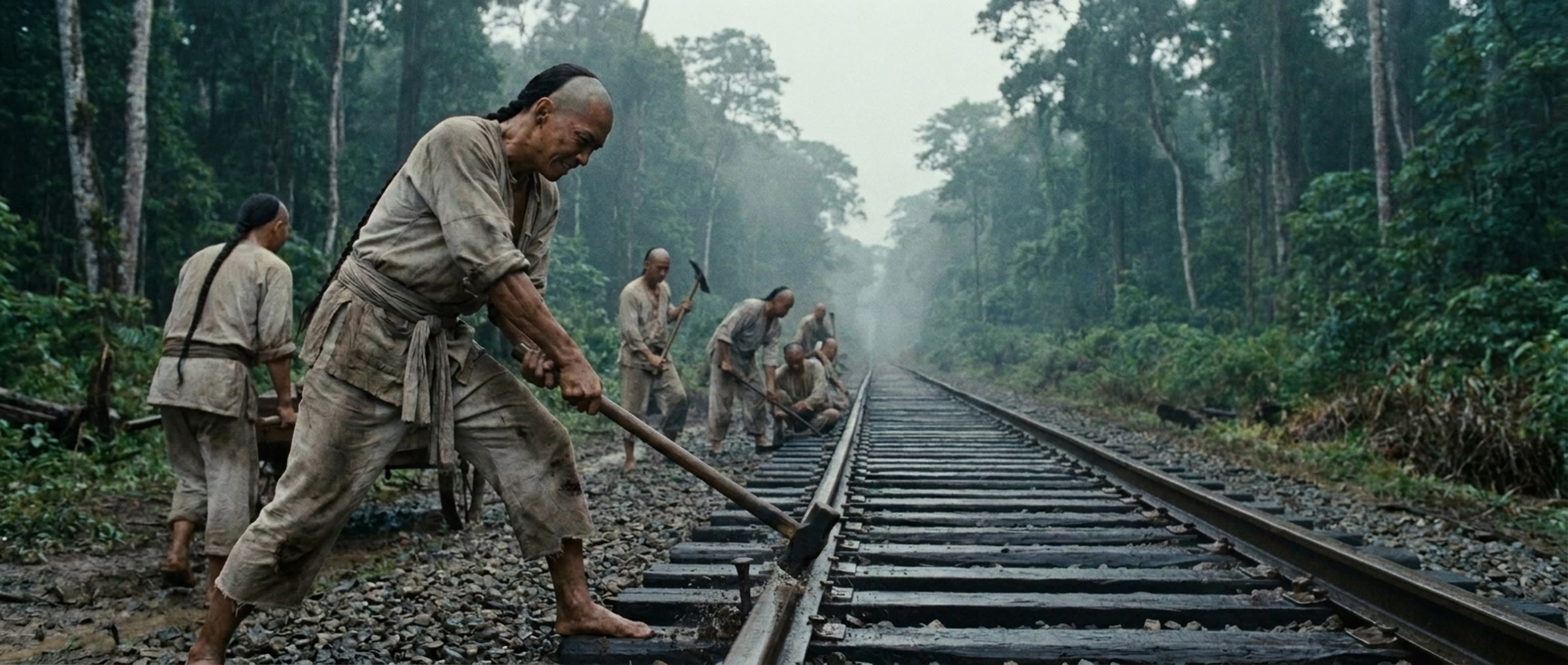
In 1854, in a Panama swamp, the Chinese workers on a railroad began to take their own lives, one after another. No one agrees how many. Or what led them to do it.
Watch the filmWhat led them to it?
They had crossed half the world to lay a railroad through the jungle. They were bound by a debt they couldn't repay, with no one who spoke their language and no way home. Fever was killing them — faster than any other group — but many didn't wait for the fever.
One after another, they began to take their own lives. It was not an outbreak of madness but a decision, repeated, made by men who had almost nothing left. The question they left behind — one this story does not close — is what has to be taken from a man to bring him that far.

Their contract promised opium
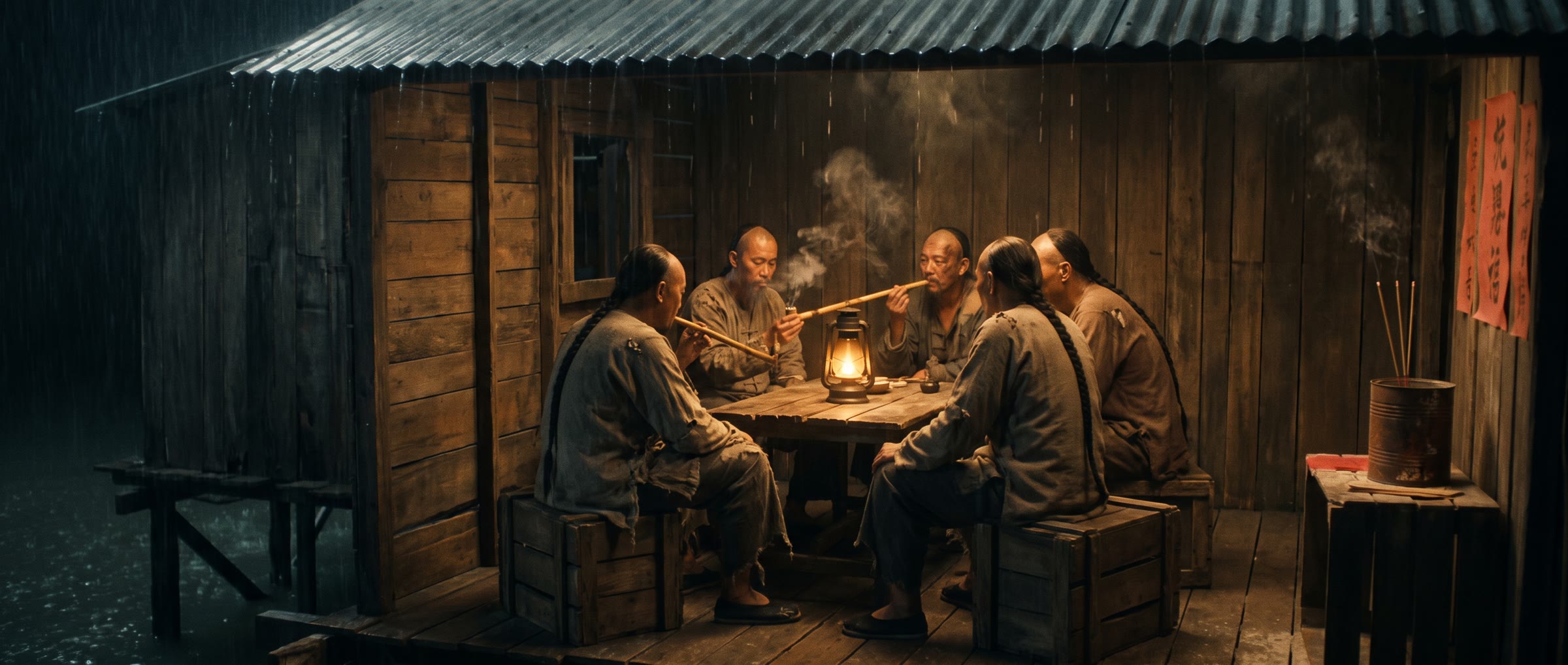
Many of them already used it before they boarded; back home opium was almost as common as tea. So it was written into the contract, alongside the food: the only way to sustain eighty-hour weeks, and the only comfort of being so far from everything.
One day the supply was cut off. Out of morality or money — the sources disagree — men already broken had the last thing holding them up taken away. Withdrawal did the rest.
The town was already called that
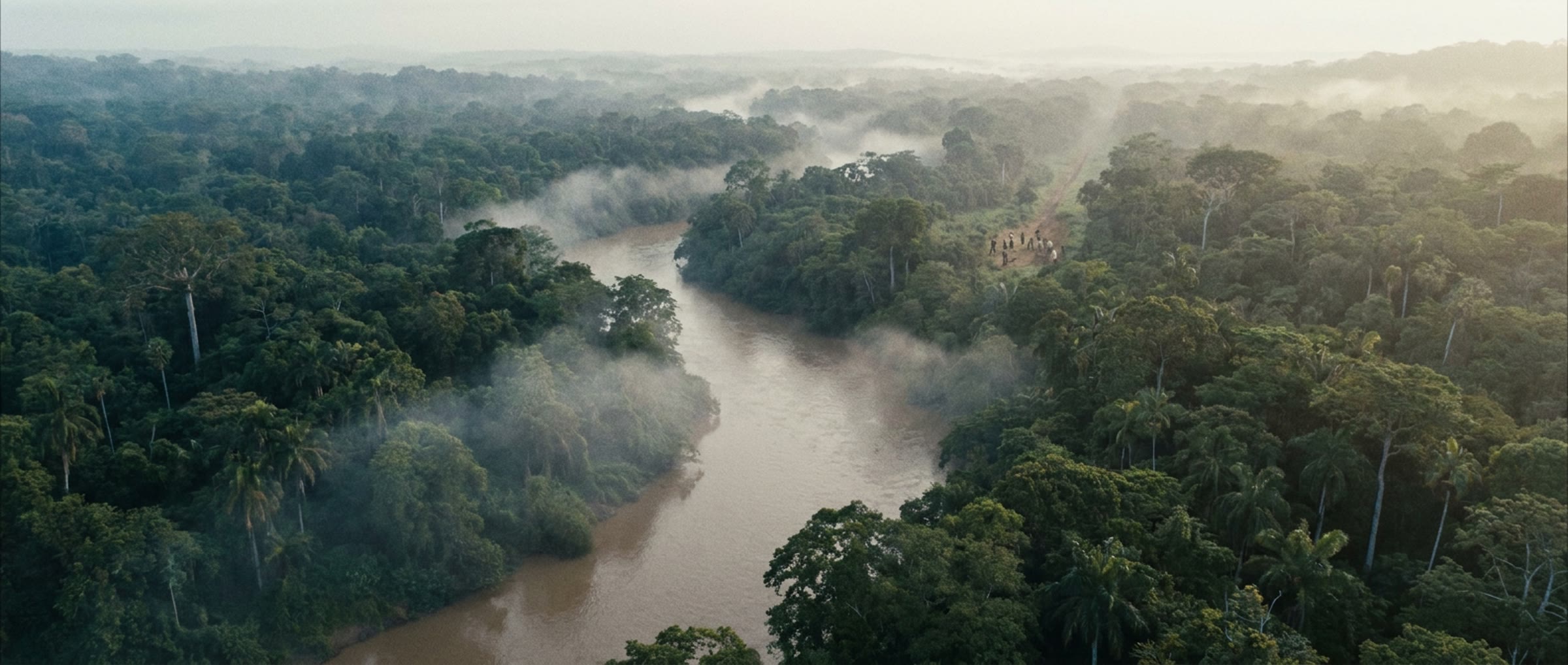
Matachín — the slaughterman — appears on maps from 1678, two centuries before the first Chinese arrived. No one named it for them. Chance had already written down the exact name.
Half a century later, the whole town vanished under the waters of the Canal. The place was erased twice: its name by the myth, its ground by the lake.
“A man can die twice. The first, when the body falls. The second, when no one is left to call him back.”
Rotate your phone to watch it fullscreen.